





How Casino Cleobetra Android Fits Daily Play
Phone use changes the whole feel of a gaming session. On desktop, people often forgive clutter, extra tabs, and longer navigation paths because the screen gives them room to breathe. On a phone, that patience gets thinner. The screen is smaller, the hand is busy, and each extra tap becomes more noticeable than it would be on a laptop.
That is why the handheld route matters so much for adult players in Canada. and each extra tap becomes more noticeable than it would be on a laptop.
That is It is not only about whether the platform opens on Android. It is about whether the platform still feels controlled when someone checks the account after work, during a train ride, or late at night when there are only a few spare minutes and very little patience for awkward design. It should feel usable within applicable local rules, not dressed up with loud legal slogans.
Say you open the platform while waiting for food delivery. You want three things - clear account access, a simple path to the cashier, and a game area that does not make you wander. When that order is in place, the session feels light. When it is missing, the whole visit starts to feel heavier than it should.
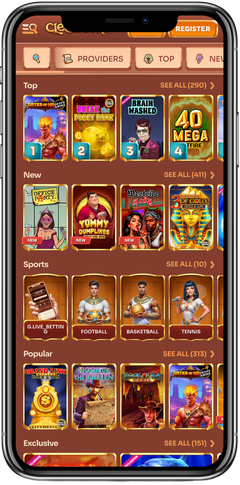
Why Casino Cleobetra Mobile Feels Different On Phones
The phone version has to work harder than a desktop layout. It lives in shorter sessions, more interruptions, and faster decision points. A player may open the account, check balance details, scan the lobby, then leave in less than five minutes. That kind of visit leaves no room for messy menus or vague labels.
A player on the bus home notices flaws quickly. Crowded tiles, weak search, hidden support, and a noisy account area all feel louder on a mobile screen. Strong phone design does the opposite. It makes the next action feel obvious without shouting for attention.
First Account Steps And Setup Flow
The first setup sequence should feel calm, not dramatic. A player needs to understand where the account begins, where profile details live, how the main sections connect, and where support can be found before real money decisions enter the picture. That early clarity matters more than visual style.
This is also the stage where a platform shows whether it respects adult play habits. For users in Canada, the account area should make it easy to review basic details, open control settings, and understand where payment tools sit. If that first layer feels scattered, trust drops before the session properly begins.
A simple order helps. Open the account, review the main fields, check the profile section, locate support, then move toward limits or payment settings only when ready. That path sounds ordinary, though ordinary is exactly what good mobile design should master.
How New Users Read The First Mobile Screen
The first screen tells players whether the product feels steady or rushed. That judgment happens fast. Labels, spacing, menu order, and the visibility of help all shape the first impression before a single game tile is opened.
Open the account during a coffee break and the reaction appears almost instantly. If the main paths are visible, the user relaxes. If the screen looks stuffed with competing elements, the session begins with friction rather than confidence.
Why Layout Order Matters More Than Flash
Busy design can create a strong first glance, but it rarely helps on repeat visits. Repeat visits are where the real review happens. The player returns, checks the balance, opens one section, maybe reviews recent account activity, then decides whether to continue. That routine depends on order, not spectacle.
A phone session after dinner makes this plain. The user does not need a wall of attention-grabbing blocks. The user needs the account route, game route, and cashier route to feel connected and predictable.
Where Control Tools Should Sit
Control tools should sit close to the account area, not far away in an afterthought menu. Limits, reminders, cooling-off options, and other self-management settings matter most when they can be reached before a session becomes messy.
Someone reopening the platform after a long day may already know they want a shorter visit. If the control path is easy to reach, that decision stays simple. If it is buried, the product quietly pushes the player in the wrong direction.
Money Movement, Limits, And Cashier Logic

The cashier is where design stops talking and starts proving itself. A phone-based platform needs the money section to feel readable, direct, and calm. Deposits and withdrawals already carry enough weight on their own. The interface should reduce stress rather than add new uncertainty through cluttered fields or confusing review steps.
The smartest routine is rarely complicated. Review the account first. Open the cashier second. Check the method list. Enter the amount. Read the summary. Confirm only after the details make sense. That order creates context before money moves, which often leads to steadier decisions.
The same logic matters on the way out. Withdrawal requests should follow a clear path with visible review screens and an easy way to step back before final confirmation. No invented promises are needed here. Processing can depend on the chosen method, account checks, and internal review steps, so the real value lies in clarity, not hype.
A short evening session shows the difference well. One player opens the money section and immediately understands where deposits, cashout requests, and limits live. Another player opens a noisier cashier and starts wondering which step comes first. That second experience chips away at trust very quickly.
And limits deserve more attention than they usually get. They are not only protective tools. They are also organizational tools. A player who sets boundaries early often moves through the session with less tension because the structure has already been decided before emotions start shaping choices.
Section | What To Review | Why It Matters |
|---|---|---|
Account summary | Balance and recent activity | Builds context before any payment action |
Deposit route | Method list and confirmation order | Reduces rushed decisions on a small screen |
Withdrawal route | Request path and review stage | Makes cashout steps easier to follow |
Limits area | Spend and session controls | Helps adult players shape steadier habits |
Support access | Help path near the cashier | Keeps problem solving close to the action |
Browsing Games Without Losing Direction
The game area can either support the player or scatter attention. On mobile, scattered attention appears fast. Too many rows, weak categories, oversized banners, and poor search tools turn a simple browse into a long, aimless scroll. That does not feel modern. It feels tiring.
A better lobby respects short sessions. It helps the player return to familiar areas, test one new category, and leave without feeling dragged into endless movement. The goal is not to show everything at once. The goal is to keep the session readable from the first swipe to the last tap.
Think about a user opening the platform late in the evening for a short check. That person may want one known title, one brief look at something new, and then a clean exit. When the lobby supports that pattern, the product feels mature. When it resists that pattern, the player starts working harder than the interface.
Search, Categories, And Repeat Visits
Repeat visits reveal more than first impressions do. The player already knows the general layout, so the question changes. Now the question is whether the categories still make sense, whether search still feels useful, and whether the route back to familiar content stays quick.
A player returning after two days will notice this immediately. If the search function refines choices and the category labels mean something, the visit stays focused. If both feel vague, the user ends up scrolling with no clear reason.
Why Short Sessions Expose Weak Design
Short sessions remove spare patience. That is why they are such a good test. A desktop user may tolerate clutter for a while, but a mobile user standing outside a shop or waiting for a ride notices every poor design decision almost at once.
That is also why compact visits matter in a review. They reveal whether the product supports real life or only ideal circumstances. Strong structure survives those quick tests. Weak structure does not.
Support Quality And Responsible Play Paths
Support is not glamorous, though it shapes trust more than many players expect. On mobile, help must feel close, readable, and easy to reach without walking through unrelated menus. When a payment question appears or an account issue needs clarification, the support path should feel like a nearby door, not a distant basement.
The same practical rule applies to responsible play features. These tools should not feel ceremonial. They should be placed where real decisions happen - near the account, near the cashier, near the moments when a player may want to slow down, reset a session, or leave altogether.
For adult users in Canada, that visibility matters. Responsible use is not only about big moments. More often, it is a small choice made early - shorten the visit, review limits, pause for the night, or step away before the session loses structure. Good mobile design helps that choice happen easily.
How Help Access Shapes Trust
A visible help route changes the whole tone of a platform. It tells the player that questions are expected, not treated like an inconvenience. That matters even when support is never used, because visible help still creates a sense of order.
Consider a player reviewing payment details just before midnight. Even without contacting anyone, simply knowing where help sits can make the account feel safer and more manageable.
When Self-Management Tools Matter Most
These tools matter most before frustration becomes obvious. Usually the warning signs are small - repeated checks of the balance, restless movement between menus, or a sense that the visit no longer has a clear purpose. At that point, pause settings, reminders, or tighter limits can restore control.
That is why their placement matters so much. A useful tool has to be visible at the moment a player might actually need it, not hidden in a place that only appears after the decision has already gone wrong.
Who This Mobile Style Suits Best
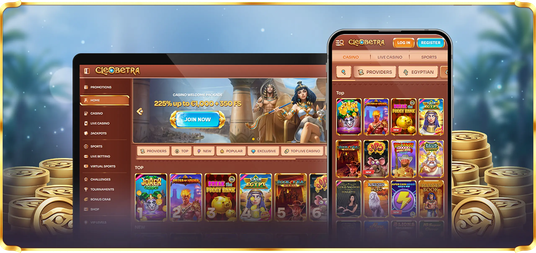
This style of mobile platform suits players who like structure. Not necessarily minimalism. Structure. That means clear account areas, sensible cashier logic, visible support routes, and game browsing that does not force the user to guess where the next step lives. For many adult players, that kind of order matters more than flashy promotion.
It also suits people who use the platform in short, repeated visits rather than long marathon sessions. A short account check in the afternoon, a brief browse in the evening, a payment review before logging off - these ordinary moments make up the real experience. The stronger the mobile structure feels in those plain moments, the stronger the whole platform feels.
Still, not every player wants the same rhythm. Someone who prefers a thinner, stripped-down interface may find a more layered account system slightly heavier than necessary. Another player may welcome that extra structure because it keeps money tools, support, controls, and browsing paths connected in one understandable environment.
A phone route should not try to be everything for everyone. It should know what it is. If it aims to provide adult players in Canada with a practical, readable, on-the-go casino environment, then the important question is simple: does it stay clear when used in real life, not just in theory?
A quick session on a rainy evening answers that better than any slogan can. Open the account. Review the main areas. Check the cashier. Browse briefly. Look for help. If those steps feel smooth, the mobile experience is doing its job.